The Science of Somatic Healing: How Your Body Stores Stress
Your body remembers what your mind has moved on from. Here is what that means — and what you can do about it.
Babita Kumari
Counselling Psychologist · Yoga & Wellness Expert
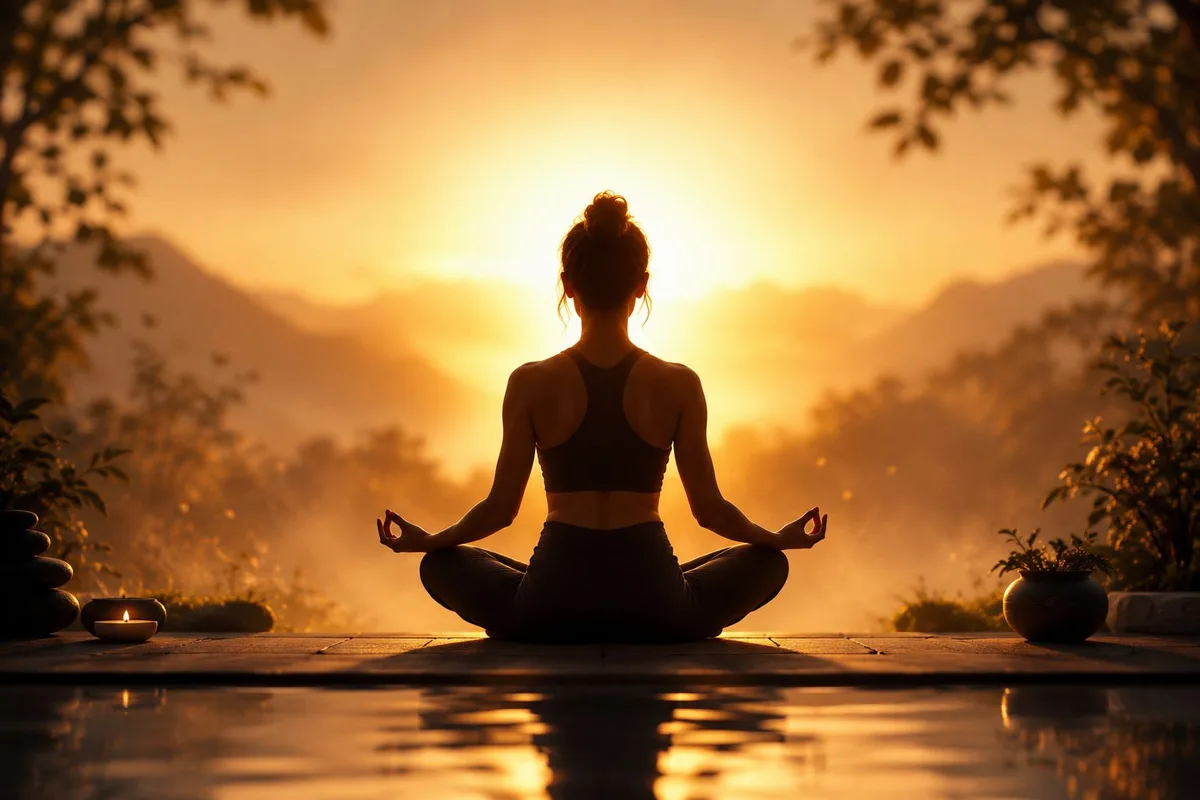
The Body Keeps the Score
When we experience stress, trauma, or intense emotion, our bodies respond — heart rate climbs, muscles tense, breathing shortens. Most people know this. What fewer understand is that the body does not automatically release this stored tension after the event passes. It lingers. Sometimes for years.
Somatic healing is the practice of listening to and releasing what the mind has moved on from but the body has not. It is one of the most important — and most overlooked — dimensions of mental health care.
What Is the Nervous System Doing?
The autonomic nervous system governs our stress response. When we perceive a threat, the sympathetic system activates — fight or flight. When we feel safe, the parasympathetic system takes over — rest and digest. In chronic stress, the sympathetic system becomes hyperactivated and struggles to shift back.
The body stays in a low-level state of emergency, even when nothing threatening is happening. This is why anxious people often say: "I know logically I am safe, but I do not feel safe." The logic is in the mind. The alarm is still running in the body.
Where Stress Lives in the Body
Different emotional states tend to live in different parts of the body. Grief often shows up as chest heaviness. Anxiety as tightness in the solar plexus or throat. Anger as heat in the jaw, shoulders, or hands. Unresolved trauma can manifest as chronic pain, digestive issues, or fatigue that has no clear medical cause.
The body speaks in symptoms when the mind does not have words. Paying attention to where you hold tension is one of the most direct paths into emotional self-awareness.
Different emotional states tend to live in different parts of the body. Grief often shows up as chest heaviness. Anxiety…
The Role of the Vagus Nerve
The vagus nerve is the body's longest cranial nerve, connecting the brain to the heart, lungs, and gut. Stimulating it — through slow breathing, humming, cold water on the face, or yoga — directly activates the parasympathetic nervous system. It is one of the most powerful reset buttons in human biology.
Many somatic practices are, in essence, vagal toning exercises. When you practice slow exhales, when you hum, when you feel your feet on the ground — you are sending a signal through the vagus nerve that says: the danger has passed, it is safe to rest now.
Somatic Techniques That Work
Somatic healing includes a range of body-centred practices: breathwork that activates the vagal nerve, grounding exercises that anchor you in the present moment, gentle movement that releases tension stored in the fascia, and body scanning — the practice of moving awareness slowly through the body to notice, without judging, where you hold stress.
These are not alternative medicine. They are neuroscience-backed tools that work with the biology of how the body processes experience. Used consistently, they create lasting change in your baseline stress levels.
Starting Your Somatic Practice
You do not need a therapist to begin. Start by simply pausing three times a day to notice: where am I holding tension right now? Shoulders? Jaw? Belly? Take three slow exhales — longer than your inhale — and consciously soften that area.
This simple act, repeated daily, begins to rebuild the connection between mind and body that chronic stress erodes. You are not fixing yourself. You are coming home to yourself. That is where healing begins.
Babita Kumari
Counselling Psychologist · Social Counsellor · Yoga & Wellness Expert
Babita Kumari has been helping individuals navigate emotional challenges, relationships, and personal growth for over 12 years through psychology, holistic wellness, and compassionate guidance.
Meet BabitaContinue reading
More articles for you

Take the next step
Ready to go deeper?
Reading opens the door. Working with Babita walks you through it — through counselling, yoga, or an immersive healing retreat.